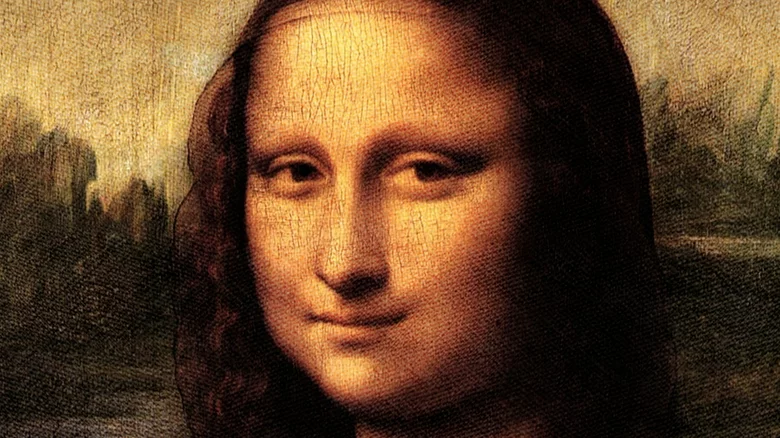
Housed behind bulletproof glass in the Louvre Museum in Paris, the Mona Lisa (La Gioconda) draws millions of visitors every year. Painted by the legendary Italian polymath Leonardo da Vinci in the early 16th century, it is undeniably the most famous, most written about, and most parodied work of art in human history. But why? What is it about this relatively small portrait of an ordinary woman that has captivated the world for over 500 years? The answer lies in a fascinating mix of revolutionary painting techniques, psychological illusions, and a daring 20th-century heist.
Why Art Is So Important
Art has always been a powerful way to express human feelings and ideas. A single painting can tell a story that lasts for centuries, carrying emotions and messages across generations. Through colors, shapes, and imagination, art speaks a language that everyone can understand, no matter where they come from.
Art also connects people across different cultures and times. It helps us see the world through someone else’s eyes and reminds us that creativity is a shared human gift. Whether it is a painting, a song, or a sculpture, art brings people together and keeps stories alive long after they are created.
| The Mona Lisa | |
|---|---|
| Artist | Leonardo da Vinci |
| Creation Year | c. 1503–1506 (continued to 1517) |
| Medium | Oil on poplar wood panel |
| Subject | Lisa Gherardini (Wife of Francesco del Giocondo) |
| Dimensions | 77 cm × 53 cm (30 in × 21 in) |
| Current Location | The Louvre Museum, Paris |
1. Who is the Mona Lisa?
For centuries, the identity of the woman in the painting was hotly debated. Some even theorized it was a disguised self-portrait of Leonardo himself. However, modern historians universally agree that the subject is Lisa Gherardini, an Italian noblewoman and the wife of Francesco del Giocondo, a wealthy Florentine silk merchant. The painting was likely commissioned to celebrate the birth of their second son or the purchase of a new home. In Italian, the painting is known as La Gioconda, which translates to “the cheerful one”—a clever play on her married name.
2. The Revolutionary Technique: Sfumato
Before Leonardo, portraits were heavily stylized, with sharp, rigid outlines that made subjects look stiff and flat. Da Vinci revolutionized art by perfecting a technique called Sfumato (derived from the Italian word for smoke). He applied dozens of incredibly thin, translucent layers of oil paint, blending colors and tones so smoothly that there are no visible brushstrokes or sharp lines. This gradual blending of light and shadow gives the Mona Lisa her breathtakingly realistic, three-dimensional, and almost lifelike glowing skin.
3. The Enigmatic Smile and the “Mona Lisa Effect”
The most famous aspect of the painting is undoubtedly her mysterious smile. Depending on where you look, her expression seems to change. If you look directly at her lips, the smile appears subdued. But if you look at her eyes, your peripheral vision picks up the shadows cast on her cheekbones, making the smile appear much broader and happier. Furthermore, her eyes seem to follow the viewer around the room. This optical illusion is so famous that it was coined the “Mona Lisa Effect,” a testament to Leonardo’s deep understanding of human anatomy and optics.
4. The 1911 Theft That Made Her a Global Icon
Believe it or not, the Mona Lisa was not world-famous outside the art community until the 20th century. Her rise to global superstardom occurred on August 21, 1911, when the painting was stolen directly from the walls of the Louvre. The thief was Vincenzo Peruggia, an Italian handyman who had been hired to install glass cases in the museum. He hid in a broom closet overnight, tucked the painting under his coat, and walked out the next morning. The international media frenzy surrounding the missing painting lasted for two years, catapulting the Mona Lisa to the front page of every major newspaper worldwide. When it was finally recovered in 1913, it returned to Paris as a global icon.
5. Hidden Secrets Beneath the Paint
Modern technology has allowed scientists to peer beneath the surface of the masterpiece. High-resolution multispectral scans have revealed that Leonardo constantly changed his mind while painting. Underneath the final layer, there are sketches showing her fingers in a different position and her wearing a traditional Florentine headdress. Additionally, scans answered a long-standing question: Why does she have no eyebrows or eyelashes? It turns out she originally did, but centuries of harsh restoration and cleaning gradually erased them.