For centuries, the topic of human sexuality has been clouded by cultural taboos, historical stigma, and widespread misinformation. Among the most misunderstood aspects of sexual health is Masturbation. Despite being a completely natural and nearly universal human behavior, it has historically been blamed for a variety of physical and mental ailments. Today, modern medical science, psychology, and sexology have thoroughly debunked these myths, revealing that this common practice is actually a healthy, safe, and beneficial component of human development and overall well-being.
The Importance of Scientific Sex Education
Talking openly about health is very important because it helps people make better choices for their physical and mental well-being. When we rely on science-based information instead of myths or silence, we understand our bodies better and learn how to take care of ourselves. Breaking taboos around health topics allows everyone to ask questions freely and find the right guidance without fear or shame.
Open discussions also connect people and build trust. They remind us that health is not just a personal issue but something that affects families and communities. By sharing knowledge and listening to experts, we can prevent problems, reduce confusion, and create a healthier future together.
| The Science of Masturbation | |
|---|---|
| Classification | Normal sexual behavior |
| Key Hormones Released | Dopamine, Oxytocin, Endorphins |
| Physical Benefits | Pain relief, improved sleep, prostate health |
| Mental Benefits | Stress reduction, mood elevation |
| Medical Consensus | Healthy, safe, and natural |
| Prevalence | Nearly universal (over 90% of adults) |
1. The Biology: What Happens in the Brain?
From a biological perspective, sexual arousal and orgasm trigger a massive release of beneficial neurochemicals in the brain. During masturbation, the brain is flooded with Dopamine, the chemical associated with pleasure and reward. Upon climax, the body releases a surge of Oxytocin (often called the “love hormone” or “cuddle chemical”) and Endorphins, which are the body’s natural painkillers. This potent chemical cocktail naturally lowers cortisol levels, effectively reducing physiological stress and anxiety.
How Common Is Masturbation? Prevalence and Normalcy
Masturbation is one of the most common sexual behaviors across cultures, genders, and ages. Large-scale surveys show that the vast majority of adults—typically more than 90% of men and around 75–80% of women—have masturbated at some point in their lives. It often begins as natural body exploration in childhood or adolescence and continues throughout adulthood. Far from being rare or abnormal, it is a standard part of healthy sexual development for people of all genders.
2. Physical and Mental Health Benefits
Medical professionals widely agree that masturbation offers numerous measurable health benefits for people of all genders. These include:
- natural pain relief from headaches, muscle tension, and menstrual cramps thanks to endorphins;
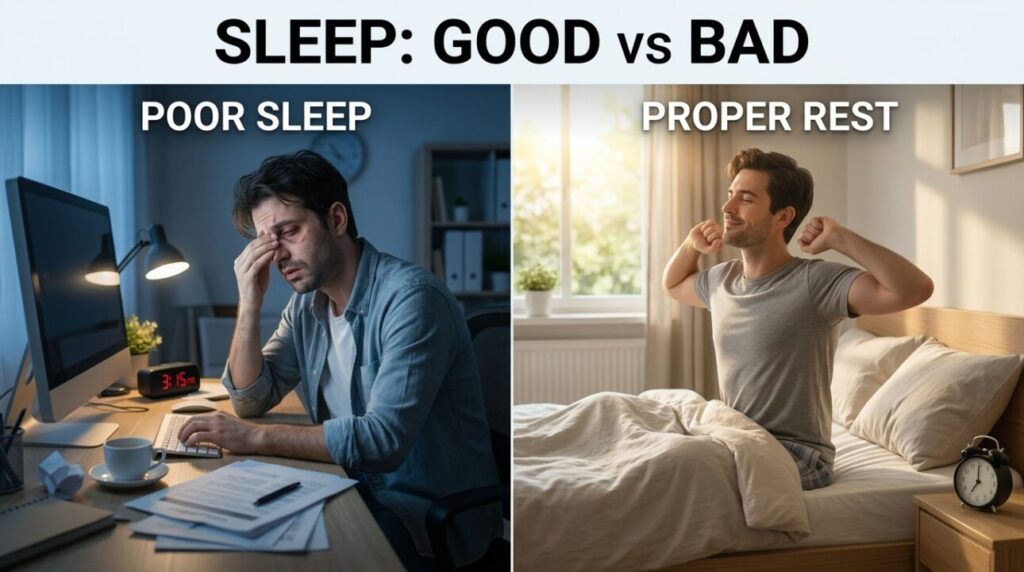
- improved sleep quality due to the post-orgasm release of prolactin, which promotes deep relaxation;
- strengthened pelvic floor muscles, supporting better bladder control and sexual function (particularly beneficial for women and people with vulvas);
- reduced risk of prostate cancer in individuals with prostates—multiple studies have linked higher ejaculation frequency (including through masturbation) to modestly lower risk;
- overall stress reduction, mood elevation, and lower anxiety through the powerful cocktail of dopamine, oxytocin, and endorphins.
3. Debunking Historical Myths
Historically, strict cultural and religious frameworks painted self-pleasure as a dangerous vice. In the 18th and 19th centuries, pseudoscientific medical texts falsely claimed that masturbation caused blindness, hair loss, insanity, stunted growth, and infertility. Modern medical science has categorically proven that absolutely none of these claims are true. There is zero scientific evidence linking the practice to any physical diseases, visual impairments, or mental illnesses. Major health organizations today affirm masturbation as a normal and positive part of human sexuality.
4. When Does It Become a Problem?
While masturbation is inherently healthy, it can become problematic if it transitions into a compulsive behavior. Mental health professionals suggest that it only becomes an issue if it begins to actively interfere with an individual’s daily life. If the urge to masturbate causes a person to skip work, neglect social relationships, avoid responsibilities, or if it causes physical chafing and injury, it may be a sign of a broader psychological issue, such as using it as a coping mechanism for severe depression or anxiety. Occasional use for stress relief is completely normal; the key is balance.
5. Masturbation in Relationships
Another common myth is that masturbation is only for single people or indicates dissatisfaction with a sexual partner. In reality, therapists note that people in happy, healthy, and sexually active relationships also masturbate regularly. It is viewed as a complementary practice rather than a replacement for partnered intimacy. It allows individuals to explore their own bodies, understand their preferences, and communicate those desires more effectively to their partners, often leading to a healthier shared sex life. Many couples even incorporate mutual masturbation to enhance connection and intimacy.