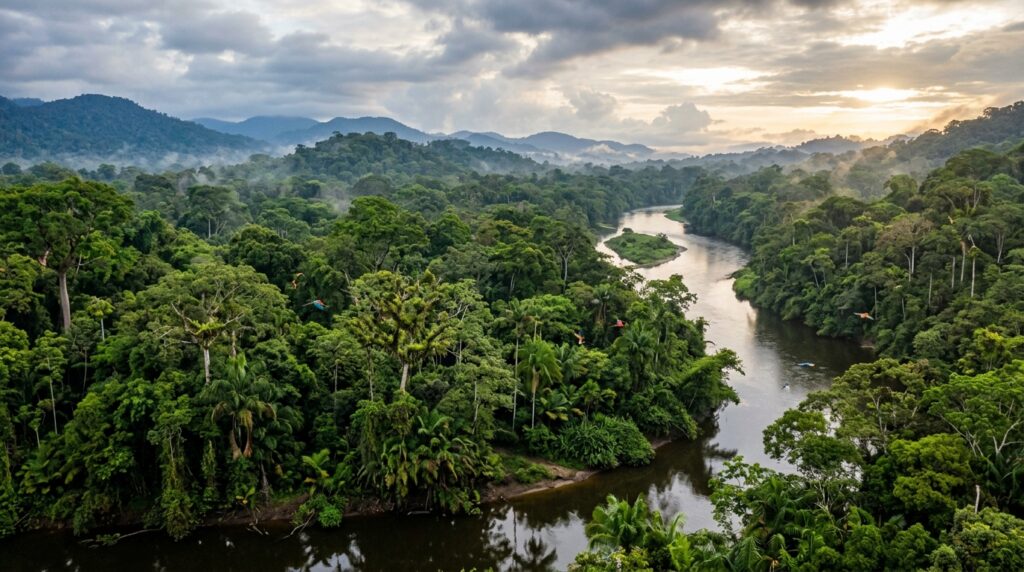
The Amazon River is the largest river in the world by the volume of water it discharges, and it is widely considered the second-longest river system on Earth. Flowing across the heart of South America, this colossal waterway pumps roughly 20% of the planet’s global freshwater supply into the Atlantic Ocean. The Amazon is not just a river; it is the lifeblood of the Amazon Rainforest, supporting the most diverse biological ecosystem in the world and playing a critical role in regulating the Earth’s global climate.
The Lifeline of a Continent
The Amazon River is truly fascinating because of its sheer size and power. It holds an enormous amount of the Earth’s fresh water, making it one of the most important natural wonders on the planet. Along its banks and within its waters live incredible animals from rare fish to colorful birds and even giant reptiles that make the region one of the richest ecosystems in the world.
Protecting the Amazon is vital for the future of our planet. This river and its rainforest help regulate the Earth’s climate, provide oxygen, and support countless species. By caring for this natural treasure, we are not only saving wildlife but also ensuring a healthier environment for generations to come.
| The Amazon River | |
|---|---|
| Length | ~6,400 km (3,977 miles) |
| Discharge Volume | ~209,000 cubic meters/sec |
| Source | Andes Mountains, Peru |
| Mouth | Atlantic Ocean, Brazil |
| Primary Countries | Brazil, Peru, Colombia |
| Basin Area | ~7,000,000 square km |
| Notable Wildlife | Pink River Dolphin, Anaconda, Piranha |
1. Geography and Unmatched Scale
While there is an ongoing scientific debate about whether the Nile or the Amazon is technically the longest river in the world, there is absolutely no debate about the Amazon’s size. By volume, the Amazon is larger than the world’s next seven largest independent rivers combined.
During the wet season, parts of the river can expand to over 40 to 50 kilometers (30 miles) wide, earning it the nickname “The River Sea.” The Amazon Basin, which is the massive area of land that drains into the river, covers roughly 7 million square kilometers, an area nearly the size of the contiguous United States.
2. The Origin Story: From the Andes to the Atlantic
Where does all this water come from? The Amazon River’s epic journey begins high in the snow-capped peaks of the Andes Mountains in Peru. For decades, scientists debated the exact source, but modern GPS technology traces its furthest starting point to the Mantaro River drainage or the Nevado Mismi peak.
As the melted snow and glacial water flow eastward down the mountains, it merges with thousands of other tributaries. The river carves its way through the dense jungles of Peru, borders Colombia, and cuts entirely across Brazil before finally exploding into the Atlantic Ocean. The force of the Amazon is so powerful that its freshwater pushes out into the salty Atlantic for over 400 kilometers (250 miles) before finally mixing with the seawater.
3. The Ecosystem: The Most Biodiverse Place on Earth
The Amazon River is the central artery of the Amazon Rainforest. The river’s annual flooding cycles distribute vital nutrients across the jungle floor, sustaining a staggering level of biodiversity. The river itself is home to over 2,500 species of fish—more than are found in the entire Atlantic Ocean.
The waters hide some of nature’s most fascinating and fearsome creatures. The famous red-bellied piranhas, massive green anacondas, electric eels, and the giant arapaima (a fish that can breathe air and grow up to 10 feet long) all share these waters. Perhaps the most beloved resident is the Amazon river dolphin (the Boto), famous for its striking pink color and high intelligence.
4. Indigenous Peoples and Exploration
Long before European explorers arrived, the Amazon basin was home to complex, thriving indigenous civilizations. Today, millions of people still live along its banks, relying on the river for transportation, food, and agriculture. Deep within the surrounding rainforests, there are still uncontacted tribes who live in complete isolation from modern society.
The first European to navigate the length of the river was the Spanish explorer Francisco de Orellana in 1541. It was his expedition that gave the river its name; after reportedly fighting a tribe of fierce female warriors, he named the river “Amazonas” after the female warriors of Greek mythology.
5. Modern Challenges
In modern times, the Amazon River and its surrounding basin are facing unprecedented existential threats. The health of the river is globally critical, as the Amazon rainforest acts as a massive carbon sink, helping to stabilize global climate change.
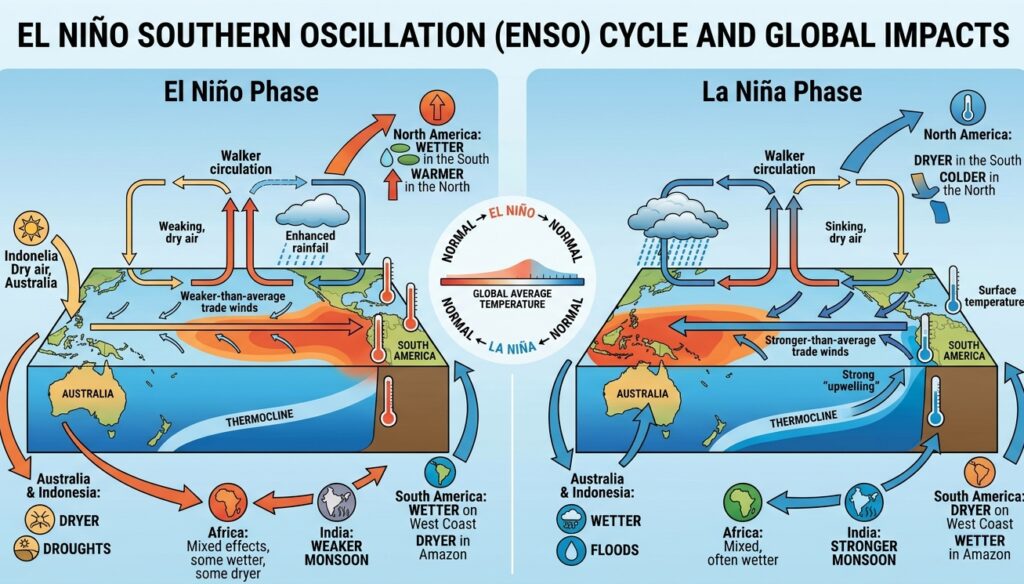
- Historic Droughts: Driven by severe climate shifts (like intensified El Niño events) and rising global temperatures, the Amazon has faced historic, crippling droughts in recent years. Water levels have repeatedly hit record lows, isolating communities that rely on boats and causing massive die-offs of river dolphins and fish.
- Deforestation and Mining: Illegal logging and the expansion of cattle ranching continue to strip away the rainforest, which reduces the region’s ability to generate its own rainfall. Furthermore, illegal gold mining introduces highly toxic mercury into the river, poisoning the food chain.
- Hydropower Dams: The construction of massive hydroelectric dams along the Amazon’s tributaries has disrupted the natural flow of water and blocked the migration routes of countless aquatic species.
6. Conservation Efforts and Global Action
Recognizing the vital importance of the Amazon to global climate stability, numerous international and local initiatives are fighting to protect it. Programs like the Amazon Region Protected Areas (ARPA) act as massive tropical forest conservation initiatives, securing millions of hectares of land from illegal exploitation.
Furthermore, scientists and environmental groups are increasingly partnering with Indigenous communities, who have historically proven to be the most effective guardians of the forest. International funds, such as the Amazon Fund, provide crucial financial support to combat deforestation, promote sustainable agriculture, and enforce environmental laws to preserve this irreplaceable ecosystem for future generations.