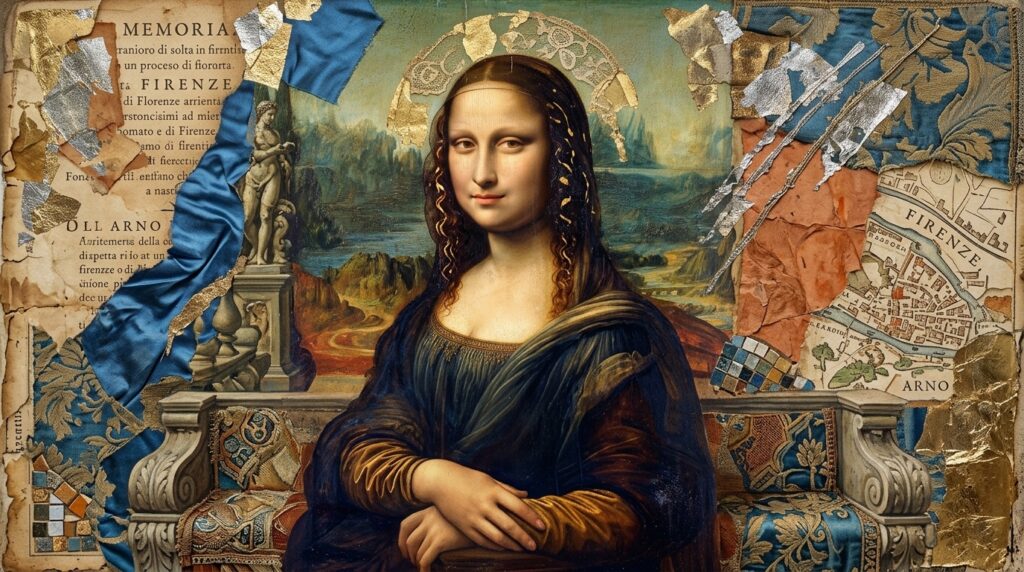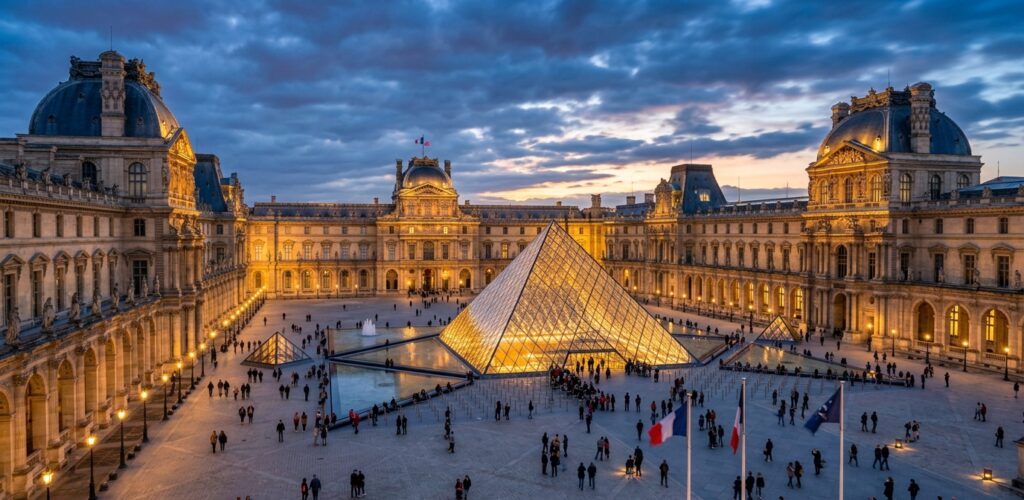
The Seven Wonders of the World represent the most spectacular and awe-inspiring man-made structures in human history. While the original list of Ancient Wonders was compiled by Greek travelers thousands of years ago, a massive global voting campaign later established the “New Seven Wonders” to celebrate monuments that still stand today. From massive amphitheaters to hidden mountaintop cities, these landmarks showcase the absolute pinnacle of ancient human engineering, artistry, and ambition.
Ancient Wonders Without Modern Tools
It is amazing to think about how ancient humans built massive structures without the help of modern technology. From giant pyramids to stone temples, these creations show the incredible skill, patience, and determination of people who worked with only basic tools and sheer human effort. Their achievements remind us that creativity and teamwork can overcome even the toughest challenges.
These wonders connect us directly to our ancestors and their vision of the world. They prove that human imagination has no limits and that progress is not only about machines but also about courage and innovation. Protecting and learning from these monuments keeps alive the story of human potential across generations.
| The Seven Wonders | |
|---|---|
| Category | Human-made monuments |
| Ancient List Origin | Ancient Greece (Philo of Byzantium) |
| New List Origin | New7Wonders Foundation (2007) |
| Oldest Remaining | Great Pyramid of Giza (Honorary) |
| Newest Structure | Christ the Redeemer (1931) |
| Global Spread | Asia, Europe, South America, North America |
1. The Great Wall of China
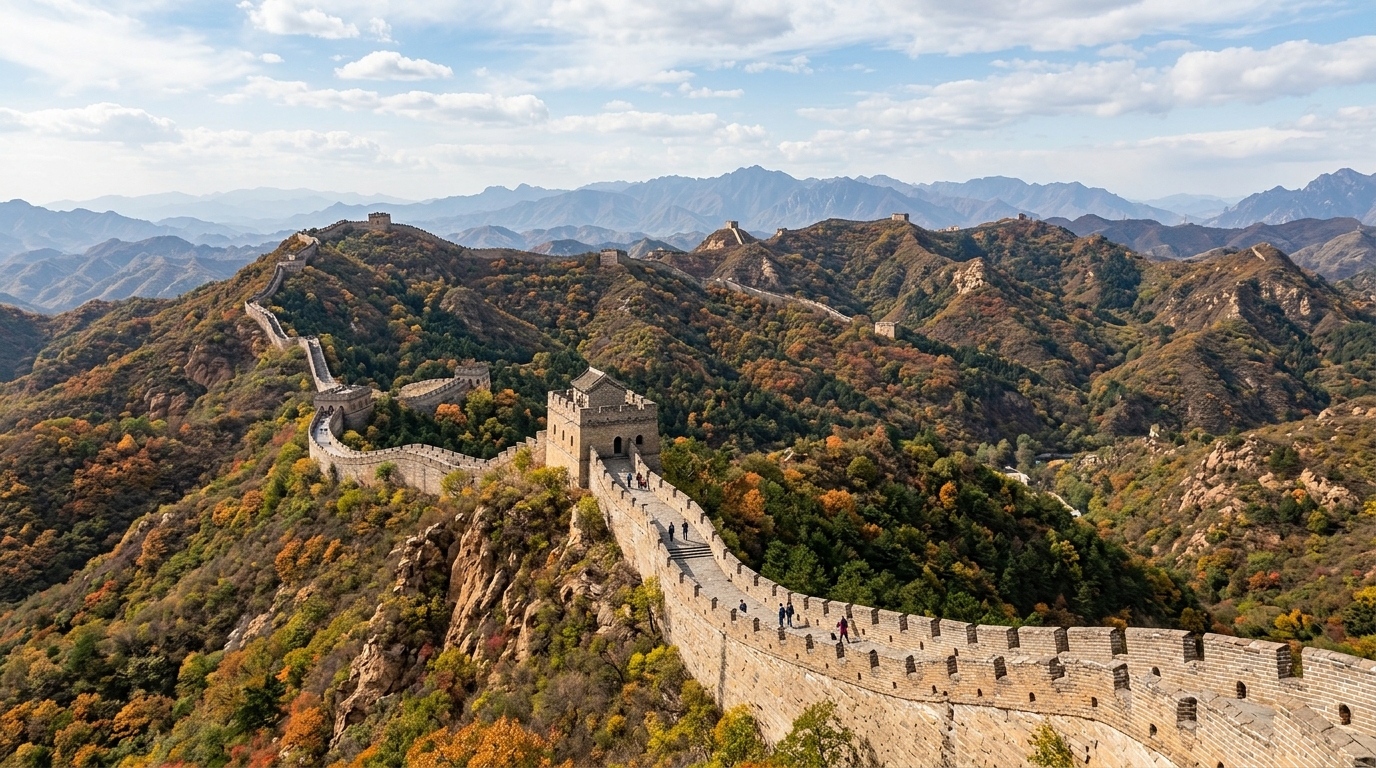
- Location: China
- Built: 7th Century BC to 17th Century AD
- Purpose: Military defense and border control
The Great Wall is not a single continuous wall, but rather a massive series of fortifications spanning over 13,000 miles (21,000 kilometers) across northern China. Built initially to protect the Chinese Empire from nomadic invasions, it remains the longest man-made structure in the world. Its construction involved millions of workers over several dynasties, making it a powerful symbol of China’s historical strength and endurance.
2. Petra
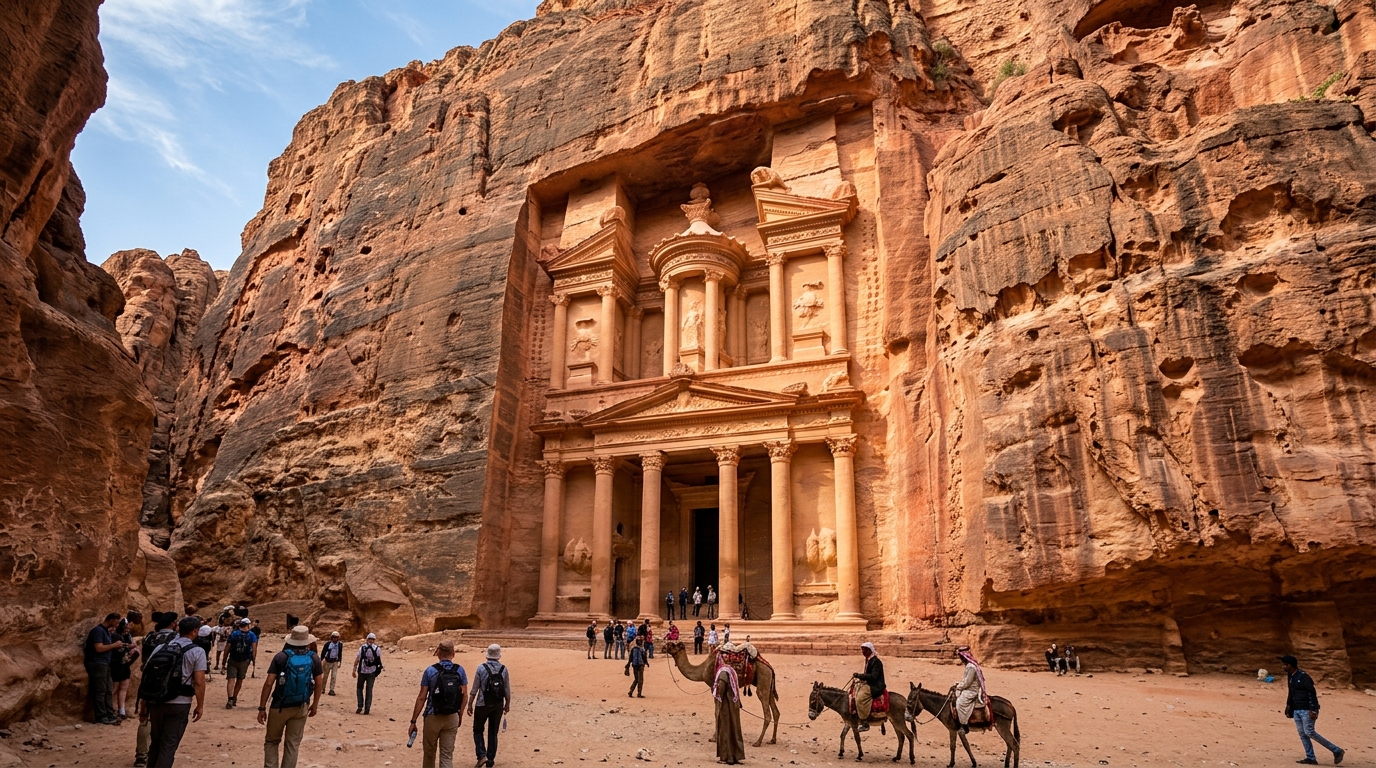
- Location: Ma’an Governorate, Jordan
- Built: ~5th Century BC
- Purpose: Capital city of the Nabataean Kingdom
Known as the “Rose City” due to the color of the stone from which it is carved, Petra is an archaeological marvel hidden deep within desert canyons. The Nabataeans carved entire temples, tombs, and sophisticated water conduit systems directly into the sheer rock faces. The most famous structure, Al-Khazneh (The Treasury), stands as a testament to their incredible architectural precision and mastery over a harsh desert environment.
3. The Colosseum
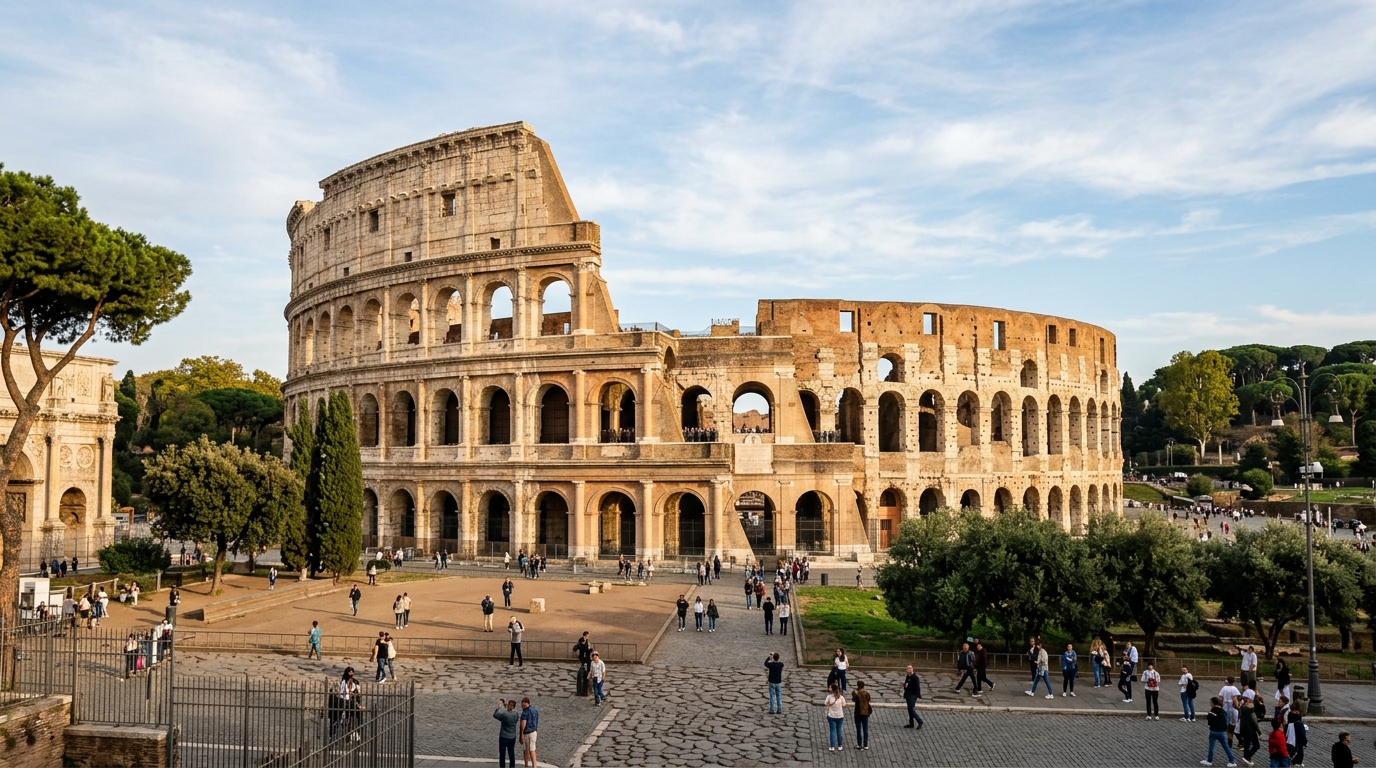
- Location: Rome, Italy
- Built: 70–80 AD
- Purpose: Gladiatorial contests and public spectacles
The Colosseum is the largest ancient amphitheater ever built, capable of holding up to 80,000 spectators. Located in the heart of Rome, it was the epicenter of Roman entertainment, hosting brutal gladiator battles, animal hunts, and even mock sea battles. Despite centuries of earthquakes and stone-robbing, its iconic arches still stand today, making it the ultimate symbol of the Roman Empire’s architectural genius.
4. Chichén Itzá
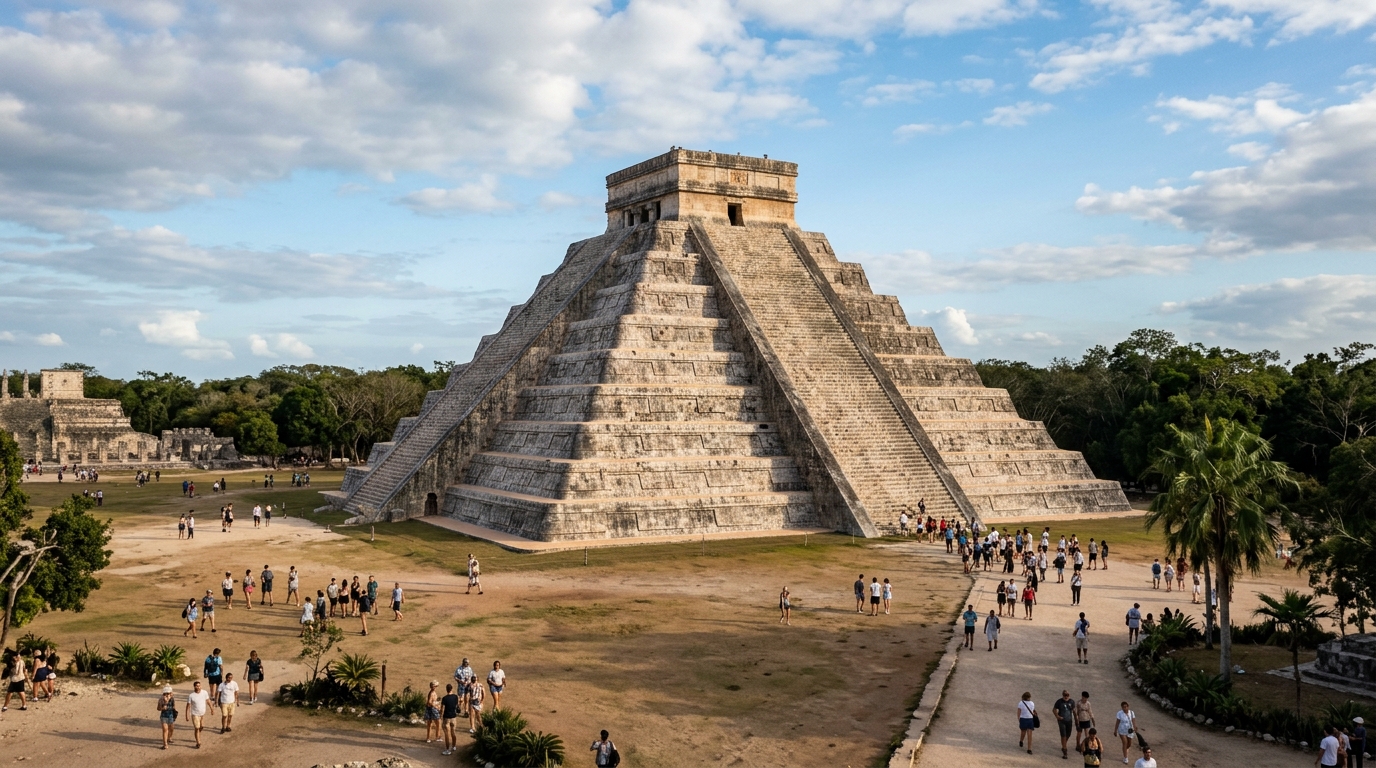
- Location: Yucatán, Mexico
- Built: ~600 AD
- Purpose: Major Mayan political and economic center
Chichén Itzá was one of the largest and most powerful Mayan cities. Its centerpiece is El Castillo (The Temple of Kukulcan), a massive step pyramid that acts as a physical calendar. The Maya were brilliant astronomers, and they designed the pyramid so perfectly that during the spring and autumn equinoxes, the sunlight creates a shadow that looks exactly like a giant serpent slithering down the steps.
5. Machu Picchu
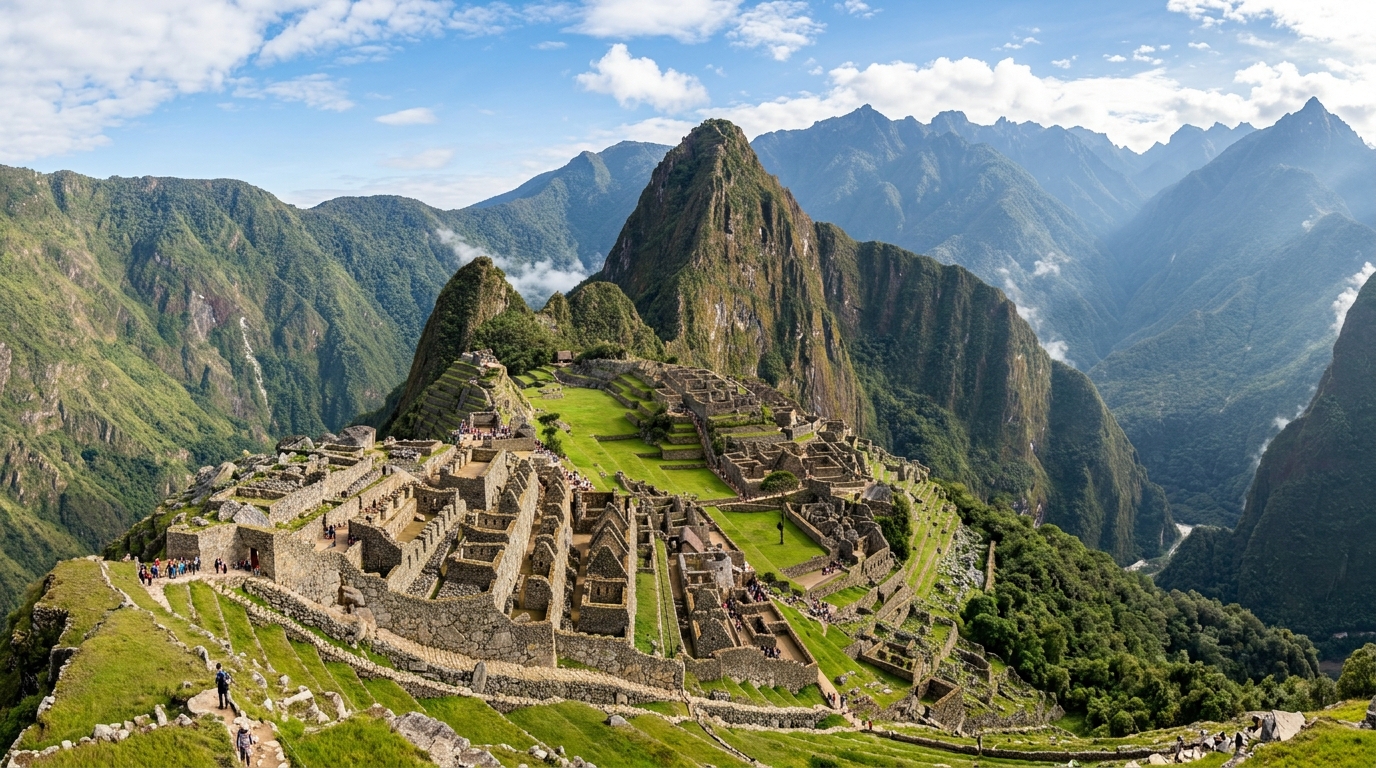
- Location: Cusco Region, Peru
- Built: ~1450 AD
- Purpose: Royal estate for Incan emperors
Perched precariously nearly 8,000 feet above sea level in the Andes Mountains, Machu Picchu is the most breathtaking legacy of the Incan Empire. The city was built using a technique called ashlar, where massive stone blocks were cut to fit together perfectly without any mortar. Abandoned during the Spanish Conquest and hidden by the jungle for centuries, it was only brought to international attention in 1911.
6. The Taj Mahal
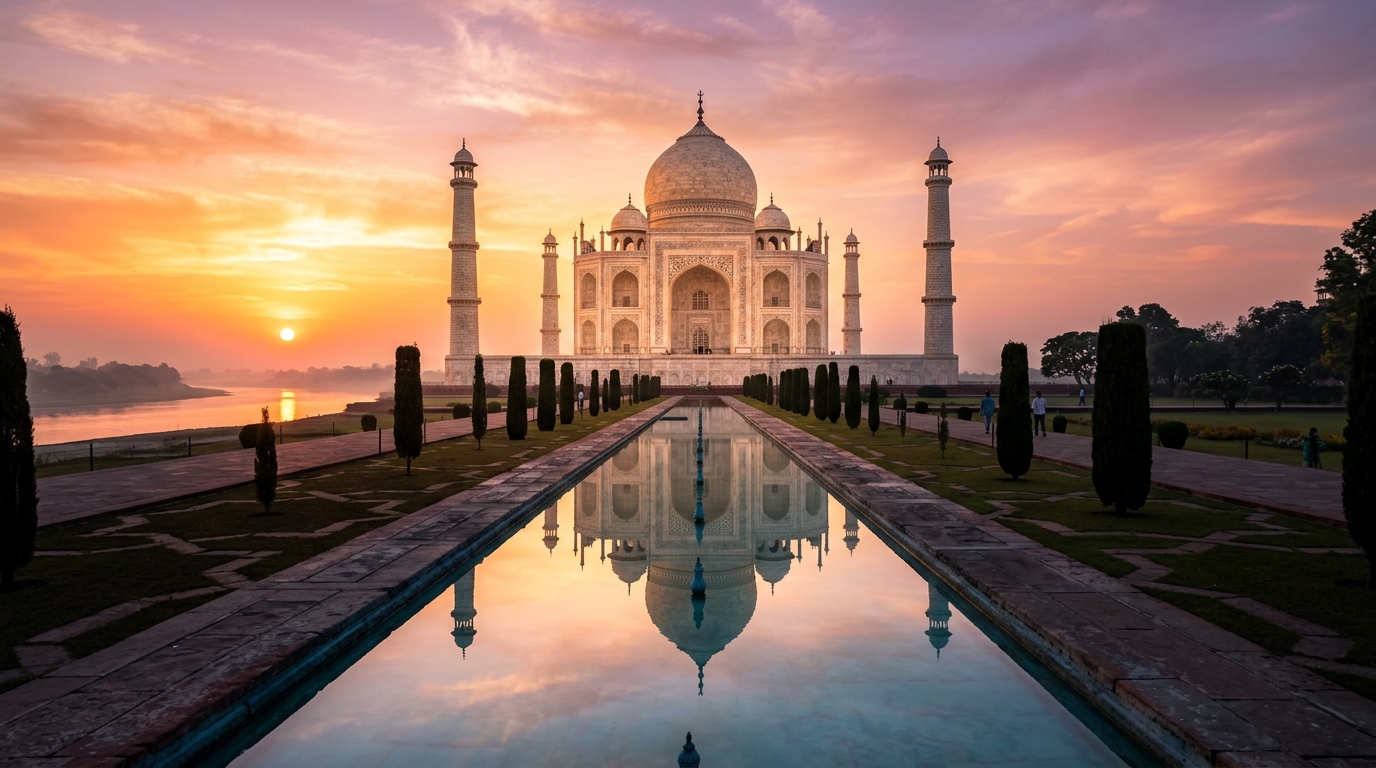
- Location: Agra, India
- Built: 1632–1653 AD
- Purpose: Mausoleum
Widely considered the most beautiful building in the world, the Taj Mahal is a masterpiece of Mughal architecture. It was commissioned by Emperor Shah Jahan to house the tomb of his favorite wife, Mumtaz Mahal. Built entirely of glowing white marble and inlaid with semi-precious stones, the structure represents the ultimate, timeless declaration of love and grief.
7. Christ the Redeemer

- Location: Rio de Janeiro, Brazil
- Built: 1922–1931 AD
- Purpose: Religious and cultural symbol
Standing 98 feet (30 meters) tall with arms stretching 92 feet wide, this colossal Art Deco statue watches over the vibrant city of Rio de Janeiro from the summit of Mount Corcovado. Constructed from reinforced concrete and covered in millions of triangular soapstone tiles, Christ the Redeemer has become a global symbol of Christianity and the welcoming spirit of the Brazilian people.
8. What About the Ancient Wonders?
The original “Seven Wonders of the Ancient World” were magnificent structures located around the Mediterranean Sea. Unfortunately, due to earthquakes, fires, and wars, six of them were destroyed. The original list included:
- The Hanging Gardens of Babylon
- The Statue of Zeus at Olympia
- The Temple of Artemis at Ephesus
- The Mausoleum at Halicarnassus
- The Colossus of Rhodes
- The Lighthouse of Alexandria
The Great Pyramid of Giza (Egypt) is the only Ancient Wonder still standing today. Because of this incredible feat of endurance, the Great Pyramid was granted an “honorary” permanent spot alongside the New Seven Wonders.