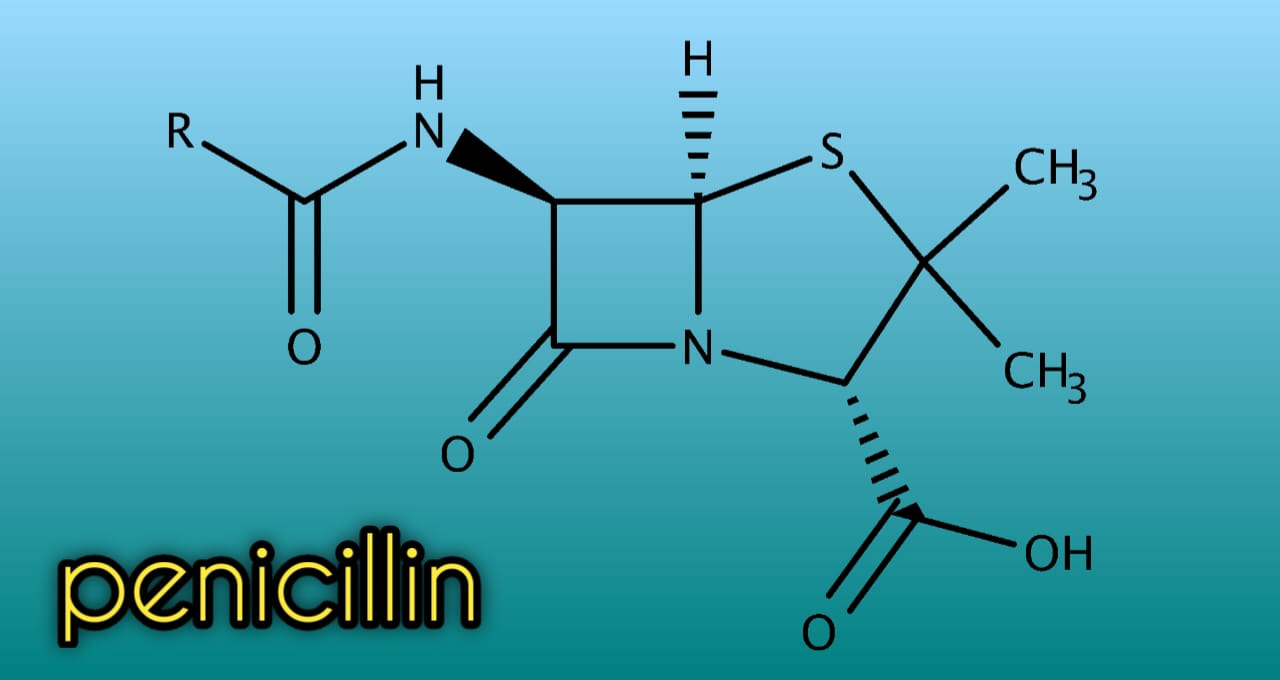
In the vast history of medical science, very few discoveries have fundamentally altered the course of human existence. Before the 20th century, a simple scratch from a rose thorn, a minor surgical cut, or a common throat infection could easily become a death sentence. That all changed with the discovery of Penicillin, the world’s first true antibiotic. Often called the “miracle drug,” this accidental discovery not only revolutionized modern medicine but went on to save an estimated 200 million lives worldwide.
The Miracle of Modern Medicine
Modern medicine is one of the greatest blessings in our daily lives. It helps us fight diseases, recover from injuries, and live longer, healthier lives. From simple medicines that cure common illnesses to advanced treatments that save lives, medical science has given us hope and comfort in times of need.
We should be truly grateful to the researchers and doctors who dedicate their lives to finding cures and improving treatments. Their hard work means that millions of people around the world can live without fear of illnesses that once seemed impossible to overcome. Modern medicine is not just about science—it is about compassion, progress, and the promise of a healthier future for all.
| Discovery of Penicillin | |
|---|---|
| Discovered By | Alexander Fleming |
| Year of Discovery | 1928 |
| Key Developers | Howard Florey & Ernst Chain |
| Medical Use | First true antibiotic |
| Estimated Lives Saved | Over 200 Million |
1. The World Before Antibiotics
To understand the magnitude of penicillin’s discovery, one must look at the world before it existed. In the early 1900s, bacterial infections like pneumonia, syphilis, gonorrhea, and rheumatic fever had no effective cure. Hospitals were filled with patients suffering from blood poisoning (sepsis) caused by minor wounds. The average life expectancy was significantly lower, as bacterial infections were among the leading causes of human mortality.
2. The Happy Accident: September 1928
The story of penicillin famously begins with a messy laboratory. In September 1928, Scottish bacteriologist Dr. Alexander Fleming returned to his lab at St. Mary’s Hospital in London after a month-long family vacation. Before leaving, he had accidentally left several petri dishes containing Staphylococcus bacteria uncovered near an open window. Upon his return, he noticed that one of the dishes had been contaminated with a blue-green mold. Astonishingly, the bacteria immediately surrounding the mold had been completely destroyed. Fleming identified the mold as Penicillium notatum and realized it was secreting a substance that killed bacteria. He named this active ingredient “Penicillin.”
3. From Mold to Medicine: The Oxford Team
While Fleming discovered penicillin, he lacked the chemical expertise to isolate and stabilize it for human use. For a decade, the discovery remained a mere laboratory curiosity. It wasn’t until 1939 that a team of brilliant scientists at Oxford University, led by Australian pathologist Howard Florey and German biochemist Ernst Chain, took up the challenge. Through relentless experimentation, they successfully purified penicillin and proved its miraculous ability to cure bacterial infections in mice, and eventually in human patients.
4. Mass Production and World War II
The timing of Florey and Chain’s success coincided with the outbreak of World War II. Battlefield wounds were highly susceptible to gangrene and fatal infections. Recognizing the drug’s immense military value, the United States and Great Britain collaborated to mass-produce the antibiotic. By the time of the D-Day landings in Normandy in 1944, millions of doses of penicillin were available to treat Allied soldiers, drastically reducing the death toll from infected wounds and amputations.
5. The Legacy and the Threat of Antibiotic Resistance
In 1945, Fleming, Florey, and Chain were jointly awarded the Nobel Prize in Physiology or Medicine for their world-changing work. Today, penicillin and its derivatives remain the backbone of global healthcare. However, during his Nobel lecture, Alexander Fleming issued a prophetic warning: the misuse of the drug could lead bacteria to develop resistance. Today, the rise of “superbugs” and antibiotic resistance is a major global health crisis, reminding us that we must use these miracle drugs responsibly to preserve their life-saving power.