
| Hydrochloric Acid Chemical Profile | |
|---|---|
| Chemical Formula | HCl (Aqueous) |
| Known as | Muriatic acid |
| Active Ions | H3O+ and Cl– |
| Historical Pioneer | Nicolas Leblanc |
| Azeotrope Concentration | 20.2% HCl by mass |
| Azeotrope Boiling Point | 110 °C |
| Projected Market Value | USD 1.951 Billion (2036) |
| Global Volume Forecast | 10.63 Million Tons (2031) |
| Primary Industrial Application | Steel Pickling |
| Food Additive Designation | E507 |
| Biological Source | Gastric Parietal Cells |
| Physiological pH Range | 1.5 to 2.0 |
| Biological Proton Pump | H+/K+-ATPase |
| Bacterial Disrupter | Helicobacter pylori |
| OSHA Exposure Limit | 5 ppm Ceiling |
| Official Chemical Guidelines | OSHA Regulatory Standards |
| Official Health Data | NIOSH Safety Profiles |
Hydrochloric acid, formally defined as an aqueous solution of hydrogen chloride gas, represents a foundational substance in both industrial chemical synthesis and biological physiology. When dissolved in liquid water, the gaseous hydrogen chloride undergoes near-complete molecular dissociation into hydronium (H3O+) and chloride (Cl–) ions, which is the defining thermodynamic trait of powerful, strong inorganic acids. In the modern era, this specific chemical formulation is utilized across a vast array of global sectors, ranging from heavy metallurgical steel pickling and petroleum reservoir stimulation to the precise regulation of food processing and municipal water treatment.
The industrial genesis of this highly corrosive compound traces directly back to the British Industrial Revolution and the proliferation of the Leblanc process. Developed by French chemist Nicolas Leblanc to satisfy the skyrocketing commercial demand for sodium carbonate, the early process generated massive volumes of hydrogen chloride gas as a highly toxic byproduct. Initially vented directly into the atmosphere, this reckless disposal caused catastrophic localized environmental degradation, prompting the passage of the landmark Alkali Act of 1863. This vital legislation legally compelled chemical manufacturers to absorb the waste gas in water, inadvertently establishing the very first commercial-scale merchant market for aqueous hydrochloric acid.
This comprehensive report explores the complex thermochemistry and physiological mechanics of hydrochloric acid. We will analyze its unique phase equilibria and azeotropic limits, the intricate industrial dynamics of the modern chlor-alkali ecosystem, the pharmacological inhibition of gastric acid secretion, and the profound biological destruction caused by aggressive bacterial infections in the human stomach.
1. Thermodynamic Phase Equilibria and Azeotropes
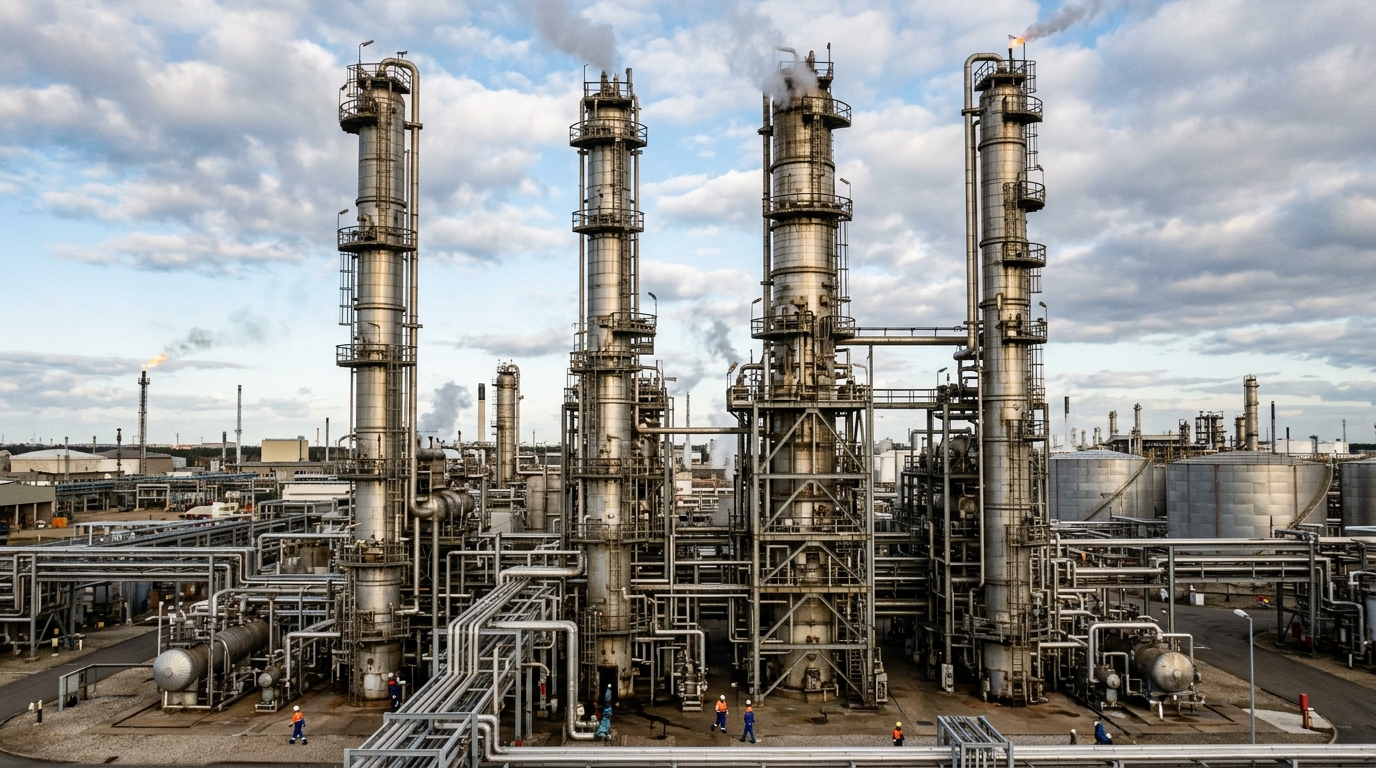
The fundamental behavior of hydrochloric acid is completely governed by its distinct thermodynamic properties, most notably its highly specific phase equilibria. The binary mixture of hydrogen chloride and water exhibits pronounced non-ideal thermodynamic behavior that profoundly influences its commercial distillation. The HCl-H2O system is characterized by the formation of a negative azeotrope. An azeotrope represents a thermodynamic state where the liquid mixture boils at a constant temperature and composition, permanently precluding any further concentration via standard fractional distillation.
Specifically, at a strict concentration of 20.2% HCl and 79.8% water by mass, the mixture possesses a maximum boiling point of exactly 110 °C. This boiling point is significantly higher than that of either of its pure constituents; pure liquid hydrogen chloride boils at a freezing -85 °C, and pure water boils at 100 °C. The existence of this negative azeotrope establishes the strict physical limits of acid concentration in standard atmospheric conditions. To circumvent this azeotropic pinch point, particularly in the thermochemical copper-chloride (Cu-Cl) cycle utilized for high-efficiency hydrogen gas production, engineers employ pressure swing distillation. Thermodynamic modeling utilizing Aspen Plus simulations indicates that utilizing two distillation columns operating at disparate pressures can successfully break the azeotrope, allowing for optimal separation within a predicted packing column height of approximately 2 meters.
2. Ternary Systems and Aerospace Applications
Further complicating the phase behavior of hydrochloric acid are the complex chemical interactions introduced by ternary ionic systems. When alkaline earth metal salts, such as calcium chloride (CaCl2), are introduced into the HCl-water matrix, the system exhibits a maximum pressure azeotrope. Conversely, the addition of sodium chloride (NaCl) yields a minimum pressure azeotrope within the exact same temperature range.
At highly elevated acid molalities greater than 9, the vapor phase can shift dramatically to consist of nearly 94 percent hydrogen chloride, significantly increasing the partial pressures. This ternary thermodynamic behavior has profound implications that extend directly into aerospace engineering. For instance, the exact composition of chloride salts in solid rocket propellants heavily influences exhaust characteristics. Because of these specific vapor pressure shifts, the presence of calcium chloride in reduced-smoke rocket plumes is mathematically predicted to contribute far less to dangerous secondary smoke formation than the presence of standard sodium chloride.
3. Solid Phase Crystallization Dynamics
In the freezing solid phase, the aqueous acid demonstrates an equally complex structural behavior, featuring exactly four distinct constant-crystallization eutectic points depending strictly on the molar concentration of the acid. These highly specific transition points occur between crystalline structures composed entirely of complex hydronium salts.
| Concentration Level | Chemical Formula | Chemical Designation |
|---|---|---|
| 68% HCl | [H3O]Cl | Hydronium chloride |
| 51% HCl | [H5O2]Cl | Zundel-type hydronium complex |
| 41% HCl | [H7O3]Cl | Eigen-type hydronium complex |
| 25% HCl | [H3O]Cl · 5H2O | Hydronium chloride pentahydrate |
| 0% HCl | H2O (Ice) | Pure Water |
A completely metastable eutectic point is also clearly observed at a precise 24.8 percent concentration located directly between the ice phase and the [H7O3]Cl crystallization phase. The structural diversity of these highly specific hydronium chloride networks underscores the intense, highly structured hydrogen-bonding environment that chemically defines all concentrated hydrochloric acid solutions.
4. Industrial Synthesis and the Mannheim Process
While the historic Leblanc process initiated the industry, the modern architecture of hydrochloric acid production relies heavily on the Mannheim process. The Mannheim process operates in specialized, highly robust furnaces where heavy sulfuric acid reacts directly with sodium chloride to successfully yield hydrogen chloride gas and a valuable sodium sulfate byproduct known commonly as saltcake.
The reaction sequence typically proceeds in two distinct stages. The initial stage features an exothermic reaction at lower temperatures producing sodium bisulfate. This is followed immediately by a highly endothermic reaction requiring extremely elevated temperatures to yield the final sodium sulfate product. This specific process is highly valued in the metallurgical and agricultural sectors, as the flexible furnace architecture can also be perfectly adapted to process potassium chloride, yielding potassium sulfate, which serves as a premium, highly profitable agricultural fertilizer.
5. The Chlor-Alkali Electrolysis Loop
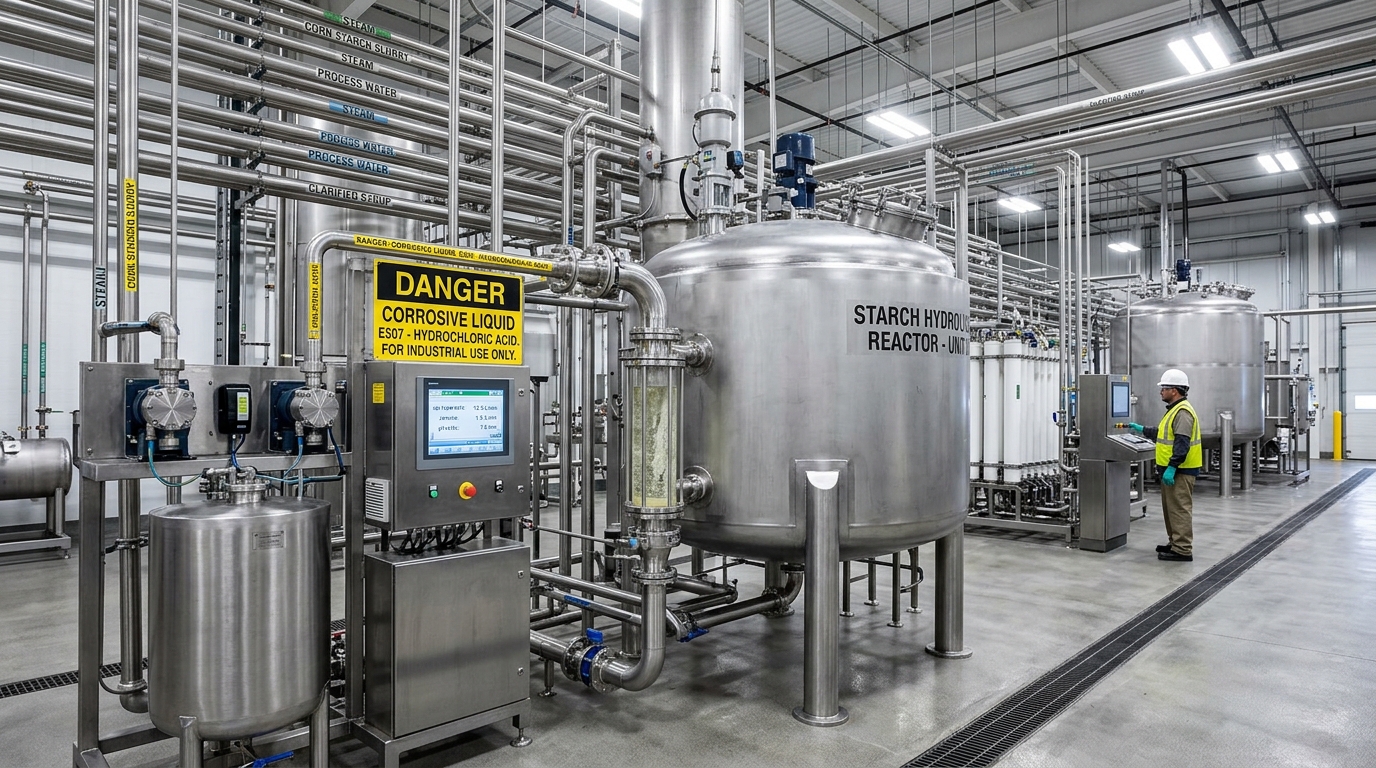
The contemporary global supply of hydrochloric acid is overwhelmingly dictated by the massive chlor-alkali industry. This modern manufacturing paradigm is defined by the Electrochemical Unit (ECU), wherein the continuous, high-voltage electrolysis of brine (sodium chloride solution) generates three obligate co-products: chlorine gas, sodium hydroxide (caustic soda), and hydrogen gas.
The direct, highly controlled combustion of the synthesized chlorine gas with hydrogen gas in specialized UV-resistant burners yields ultra-pure hydrogen chloride gas. This synthesis process is exceptionally efficient, and the resulting gas is subsequently absorbed in demineralized water in sophisticated falling-film absorbers to produce massive volumes of reagent-quality aqueous acid. Because chlorine and caustic soda are produced in a rigid, unalterable stoichiometric ratio within the ECU, the production economics of hydrochloric acid are permanently and structurally tethered to the macroeconomic demand cycles of caustic soda.
6. Macroeconomic Market Trajectories
The economic landscape of the hydrochloric acid market is explicitly defined by vast industrial consumption, highly regionalized pricing structures, and severe logistical constraints that actively limit long-distance ocean freight. The global market valuation is confidently projected to expand significantly, growing from USD 1.142 billion in 2025 to an estimated USD 1.951 billion by 2036, registering a solid compound annual growth rate (CAGR) of 4.95 percent.
When measured strictly by physical volume, the global market is forecast to increase rapidly from 8.14 million tons in 2026 to a staggering 10.63 million tons by 2031, reflecting a robust 5.48 percent volume CAGR. The Asia-Pacific region remains the undisputed center of gravity for both the production and consumption of the acid, commanding over 40.9 percent of the global market share. This regional dominance is underpinned by a massive metallurgical sector, rapidly expanding semiconductor fabrication facilities, and a dominant position in the synthesis of vital organic feedstocks, such as polyurethanes and polyvinyl chloride.
7. Regional Pricing and Logistics
The localized nature of the hydrochloric acid trade frequently results in acute pricing disparities across geographical boundaries. Because aqueous HCl is highly corrosive and largely composed of water (typically shipped at concentrations between 31% and 36%), transporting it over vast oceanic distances is economically inefficient. Consequently, regional supply shocks, maintenance turnarounds, and logistical bottlenecks generate immediate and highly localized price volatility.
| Geographic Region | Price Index (USD/MT) | Quarterly Price Movement |
|---|---|---|
| Northeast Asia | 12.83 to 15.82 | Down (-15.3%) due to heavy inventory clearing. |
| Southeast Asia | 58.98 | Up (+21.1%) due to severe regional supply tightness. |
| Europe | 115.60 to 118.78 | Down (-4.4%) as operational rates recovered. |
| North America | 166.22 to 180.67 | Up (+9.5%) due to West Coast rail logistics bottlenecks. |
| South America | 162.17 | Down (-13.9%) due to softened industrial demand. |
As illustrated by early 2026 market data, sudden logistical chokepoints, such as severe rail congestion and reduced Canadian exports to the US West Coast, can drive North American regional spot prices sharply upward, approaching USD 180.67 per metric ton. Simultaneously, when major global chlor-alkali plants emerge from scheduled maintenance turnarounds, the sudden, immense influx of secondary byproduct acid into the merchant market can severely depress local spot prices, as clearly seen in the steep 15.3 percent price decline experienced throughout Northeast Asia.
8. Steel Pickling and Hydrometallurgy
The absolute largest single industrial application of hydrochloric acid globally is in the massive steel pickling process. Before semi-finished, hot-rolled carbon steel products can be subjected to downstream finishing operations such as cold rolling, forming, or galvanizing, the thick, scaly layer of iron oxide (mill scale) that forms during high-temperature hot forming must be chemically stripped. Hydrochloric acid has largely superseded older sulfuric acid in this domain due to its significantly faster reaction kinetics, the superior surface finish quality it imparts, and the high aqueous solubility of the resulting iron chlorides.
During the continuous pickling process, the steel strip is constantly immersed in successive baths of heated acid. The acid aggressively dissolves the iron oxides, generating a highly hazardous Spent Pickle Liquor (SPL) rich in ferrous chloride (FeCl2), heavy metals, and residual free acid. To completely mitigate exorbitant hazardous waste disposal costs, the steel industry employs advanced pyrohydrolysis. In this process, the SPL is thermally decomposed at extreme temperatures exceeding 550 °C. This violent environment breaks the bonds within the ferrous chloride molecule, reacting it with oxygen to yield regenerated hydrogen chloride gas and a solid byproduct of iron oxide (Fe2O3).
9. Petroleum Extraction and Matrix Acidizing
In the global oil and gas sector, hydrochloric acid is the primary active chemical agent utilized in highly pressurized well stimulation techniques, collectively known as acidizing. Deployed by petroleum operators for over 120 years to successfully restore or enhance deep well productivity, acidizing involves injecting highly reactive acid solutions directly into geological formations to dissolve mineral blockages and expand the effective pore geometry of the reservoir rock.
The technique is explicitly bifurcated into two primary operational methodologies: matrix acidizing and fracture acidizing. In matrix acidizing, the HCl solution is pumped into the wellbore at carefully calculated pressures maintained strictly below the fracture gradient of the formation rock. The acid slowly permeates the microscopic pore spaces, chemically dissolving carbonate rock formations such as limestone to radically improve near-wellbore permeability. Because hydrochloric acid is aggressively corrosive to the steel tubulars lining the wellbore at extreme subterranean temperatures, the success of modern acidizing relies entirely on the inclusion of advanced organic corrosion inhibitors, which physically adsorb onto the metal surface to create a protective molecular film.
10. Water Treatment and Coagulant Synthesis
Hydrochloric acid acts as a crucial chemical precursor in the massive municipal and industrial wastewater treatment sectors, specifically utilized in the synthesis of Polyaluminum Chloride (PAC). PAC is a highly efficient, high-charge-density inorganic polymer flocculant that rapidly neutralizes the electrical charge of suspended colloidal particles in wastewater, causing them to safely agglomerate and precipitate out of solution for physical mechanical removal.
The synthesis of PAC is perfectly executed via a controlled batch reaction between solid aluminum hydroxide (Al(OH)3) and liquid hydrochloric acid. To successfully achieve varying basicities tailored for highly specific water turbidities, precise molar ratios are rigorously maintained, frequently requiring 1.5 to 2.0 moles of HCl per mole of aluminum. The process is regularly supplemented with an alkaline agent such as sodium carbonate (Na2CO3) or sodium hydroxide (NaOH) to carefully drive the complex polymerization cascade, yielding a powerful clarifying agent.
11. Food Science and Biochemical Processing
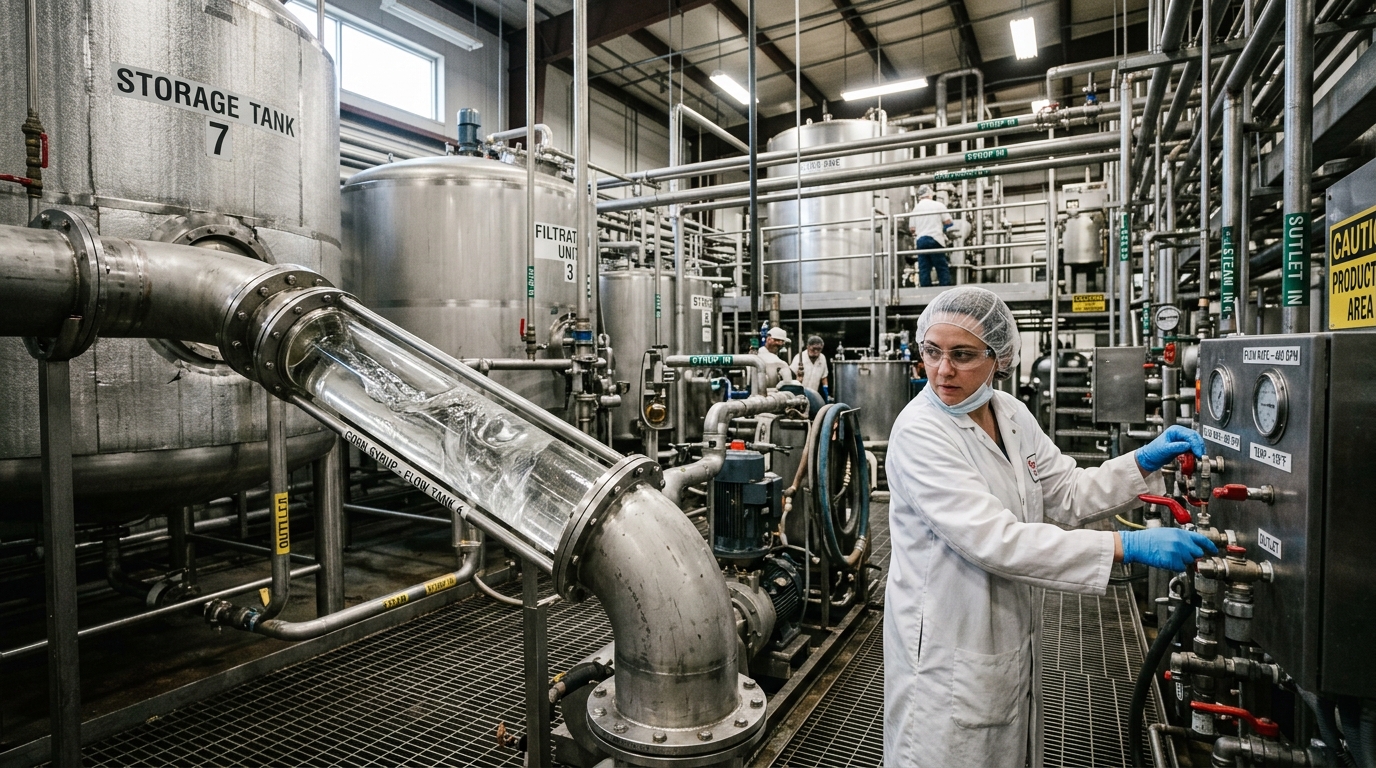
Beyond heavy industrial manufacturing, high-purity hydrochloric acid is officially approved globally by the FAO, FDA, and Codex Alimentarius as an essential food additive, explicitly designated under the European Union additive code E507. Despite its potent, flesh-burning toxicity in its raw, concentrated form, its vital function as an industry processing aid relies entirely on providing free hydrogen ions for rapid pH adjustment. Once the food process is complete and the product is chemically neutralized, the resulting chloride ions safely integrate into the natural ionic matrix of the food without altering taste.
The primary food industry application of E507 is in the massive commercial production of high fructose corn syrup (HFCS). The acid is strategically deployed to initiate the chemical hydrolysis of complex corn starch matrices, effectively breaking the long-chain polysaccharides into simpler monosaccharides strictly prior to advanced enzymatic isomerization. Furthermore, in the highly specialized extraction of commercial gelatin from animal connective tissues, the acid is heavily applied during the maceration phase to forcefully break down cross-linked collagen proteins, ensuring reproducible gel strength in the final consumer product.
12. Environmental Regulations and Safety Thresholds
Given its intense, highly destructive corrosivity, aggressive fuming characteristics, and acute respiratory inhalation toxicity, the handling of hydrochloric acid is heavily governed by a strict matrix of occupational and environmental mandates. In the United States, the Occupational Safety and Health Administration (OSHA) strictly mandates a Permissible Exposure Limit (PEL) of 5 parts per million (ppm) as an absolute ceiling concentration that must not be exceeded at any time during a worker’s shift.
The National Institute for Occupational Safety and Health (NIOSH) expertly maintains an identical Recommended Exposure Limit ceiling, while further establishing the Immediately Dangerous to Life or Health (IDLH) threshold at a mere 50 ppm. The California division of OSHA enforces an even more stringent 8-hour Time-Weighted Average PEL of just 0.3 ppm. Environmental tracking of the chemical is tightly managed through the EPA’s Emergency Planning and Community Right-to-Know Act, which officially concluded that stringent federal reporting requirements explicitly apply strictly to aerosolized forms of HCl rather than stable liquid baths.
13. Spill Remediation Chemistry
In the catastrophic event of a massive chemical release or transport spill, emergency response protocols strictly dictate highly specific neutralization chemistry. While reacting a strong acid like HCl with a strong base like sodium hydroxide (NaOH) effectively neutralizes the spill, the reaction is violently exothermic, producing massive quantities of heat and instantly vaporizing the liquid into highly corrosive, deadly fumes.
Consequently, standard operating procedure for smaller or enclosed hazardous spills prioritizes the use of sodium bicarbonate (NaHCO3). When sodium bicarbonate physically contacts the acid, it reacts gently to produce water, a neutral salt, and carbon dioxide gas. While this triggers rapid effervescence and fierce bubbling, the significantly lower heat of reaction completely eliminates the risk of toxic vapor clouds or thermal combustion, making it vastly safer for operators working in highly sensitive or enclosed environments.
14. Physiological Synthesis: The Gastric Parietal Cell
The biological synthesis and secretion of hydrochloric acid represent one of the most remarkable and energetically demanding physiological feats in mammalian biology. Gastric acid, characterized by a staggering pH ranging from 1.5 to 2.0, is manufactured exclusively by the parietal cells (oxyntic cells) located deep within the gastric glands of the stomach lining. This profound acidity is indispensable for sterilizing ingested food against microbial pathogens and fundamentally initiating the entire digestive cascade.
The mechanical and biochemical architecture of acid secretion requires an immense energetic expenditure, meticulously executed across the highly specialized parietal cell. The functional centerpiece of this entire biological system is the H+/K+-ATPase enzyme, commonly known as the gastric proton pump. In a resting, non-secreting parietal cell, these pumps are sequestered internally within an extensive network of cytoplasmic vesicles known as tubulovesicles. Upon activation by specific stimulatory signals, these tubulovesicles physically translocate and fuse directly with the apical membrane, creating deep, highly invaginated microvilli structures.
15. Intracellular Ion Transport Mechanics
The chemical generation of the acid begins intracellularly with the natural dissociation of water into hydrogen (H+) and hydroxyl (OH–) ions. The H+/K+-ATPase pump utilizes the incredible energy derived from the hydrolysis of ATP to drive the active, electroneutral exchange of cytoplasmic protons for extracellular potassium ions (K+) across the apical membrane, pushing protons into the stomach lumen against a staggering concentration gradient of over one million-fold.
For this powerful pump to operate continuously, the parietal cell deploys dedicated apical potassium channels, specifically the KCNQ1/KCNE2 voltage-gated channel complex, to continuously recycle potassium back into the lumen. Simultaneously, chloride ions (Cl–) must be secreted in tandem to physically form the HCl molecule. The transport of chloride is facilitated by distinct channel variants including the Cystic Fibrosis Transmembrane Conductance Regulator (CFTR) and the Chloride Channel type 2. Meanwhile, on the basolateral membrane facing the bloodstream, the ubiquitous enzyme carbonic anhydrase reacts accumulating hydroxyl ions with carbon dioxide to form bicarbonate (HCO3–), which is rapidly pumped out to prevent lethal cellular alkalosis.
16. Endocrine and Neural Secretion Regulation
The regulation of parietal cell activity is a highly orchestrated symphony of endocrine, paracrine, and neural signals designed perfectly to match acid output to exact digestive requirements. The primary stimulatory pathways involve acetylcholine (released by the enteric vagus nerve), gastrin (secreted by antral G-cells), and histamine (released by adjacent enterochromaffin-like cells).
| Receptor Pathway | Primary Secretagogue | Second Messenger | Physiological Outcome |
|---|---|---|---|
| H2 Receptor | Histamine | cAMP / PKA | Activation of TRPML1; drives tubulovesicle fusion. |
| Muscarinic (M3) / CCK2 | Acetylcholine / Gastrin | Intracellular Ca2+ | Synergistic stimulation of heavy acid secretion. |
| Adenosine A2B | Adenosine | Adenylate cyclase | Direct stimulation of baseline acid production. |
Histamine, operating via the H2 receptor, massively elevates cyclic AMP levels, which activates Protein Kinase A. This specific signaling pathway is physically linked to the mechanics of exocytosis by ion channels like TRPML1, triggering the localized calcium release required for membrane fusion. Conversely, the system is subjected to powerful inhibitory controls. Somatostatin, secreted by gastric D-cells, acts as the universal physiological brake, explicitly inhibiting parietal cells directly while simultaneously suppressing the dangerous over-release of both gastrin and histamine.
17. Biochemical Proteolysis and Pepsin Activation
The absolute primary physiological utility of the massive hydrochloric acid gradient is the targeted activation of proteolytic enzymes required for the initial stages of human protein digestion. The gastric chief cells synthesize and secrete an entirely inactive zymogen known as pepsinogen. Pepsinogen is structurally designed as a large, bilobed molecule physically occupied and masked by an inhibitory “pro-part” that firmly prevents premature enzymatic activity within the fragile chief cell.
When pepsinogen physically encounters the highly acidic environment of the gastric juice (operating optimally between pH 1.5 and 2.5), the extreme surplus of hydrogen ions instantly alters the complex electrostatic charges across the protein structure. This dramatic conformational shift causes the protective pro-part to physically detach, revealing the active site and instantly converting the inert zymogen into the highly aggressive aspartic proteinase, pepsin. Once activated, pepsin operates optimally in the highly acidic milieu, aggressively cleaving ingested dietary proteins into smaller polypeptide chains to flawlessly facilitate downstream intestinal absorption.
18. Gastric Mucosal Defense Mechanisms
To successfully endure constant, lifelong exposure to a corrosive acid capable of dissolving solid bone and metal, the human stomach and adjacent duodenum employ an elaborate, dynamic mucosal defense barrier that is heavily mediated by endogenous prostaglandins (PGs). Prostaglandin E2 (PGE2) strictly regulates this vital physiological armor through multiple distinct receptor subtypes, specifically EP1, EP3, and EP4.
The defense of the fragile duodenal mucosa is uniquely reliant on the EP3 and EP4 receptors. When highly acidic chyme exits the stomach through the pyloric sphincter, the presence of this acid powerfully stimulates the local release of prostaglandins. Activation of these receptors stimulates profuse epithelial secretion of both bicarbonate (HCO3–) and protective glycoproteins. The alkaline bicarbonate is safely trapped within the thick mucus gel layer, successfully establishing a microscopic neutralization zone directly adjacent to the epithelial surface, effectively buffering the burning acid and totally preventing widespread cellular necrosis and life-threatening ulceration.
19. Pharmacological Intervention: Proton Pump Inhibitors

When the delicate equilibrium between aggressive acid secretion and protective mucosal defense catastrophically collapses, the resulting acid-related diseases require highly targeted pharmacological intervention. The most successful and globally prescribed class of therapeutics to date are the Proton Pump Inhibitors (PPIs), such as omeprazole. PPIs are entirely inactive prodrugs that behave as weak bases, possessing a highly brilliant dual pKa structure (a pyridine component at roughly 4.0 and a benzimidazole component at roughly 1.0).
Because human blood plasma operates at a tightly buffered neutral pH, the drug remains entirely unprotonated and lipid-soluble while circulating systemically. However, when the drug diffuses directly into the highly acidic secretory canaliculus of the actively secreting parietal cell, the unique local pH of 1.0 to 2.0 triggers a profound, acid-catalyzed activation cascade. This transforms the inert prodrug into a highly reactive cationic electrophilic sulfenamide. This reactive species aggressively seeks out sulfur atoms, reacting to form permanent covalent disulfide bonds with specific cysteine residues (most notably Cys813) exclusively accessible from the luminal surface of the H+/K+-ATPase pump. By physically occupying the exit vestibule, the PPI irreversibly paralyzes the proton pump for up to 24 hours.
20. Pathological Disruptions: Helicobacter pylori
The most profound and widespread pathological disrupter of the human gastric environment is Helicobacter pylori, a flagellated bacterium representing the sole non-drug cause of widespread chronic gastritis and peptic ulceration. H. pylori possesses the incredibly unique capability to permanently colonize and inhabit the hostile, highly acidic gastric mucus layer. The physiological outcome depends entirely on the anatomical distribution of the bacterial colonization.
In approximately 10 percent of infected individuals, the colonization remains strictly confined to the gastric antrum. This severe localized inflammation actively suppresses the local D-cells, leading to a profound deficiency in mucosal somatostatin. Without this inhibitory brake, the adjacent G-cells unrestrictedly hyper-secrete massive quantities of gastrin into the bloodstream, forcing the uninfected parietal cells to secrete immense volumes of hydrochloric acid, precipitating severe hyperchlorhydria and duodenal ulcers. Conversely, in patients exposed to highly aggressive bacterial strains expressing the CagA virulence protein, the bacteria migrate proximally, severely inflaming the acid-secreting corpus itself. This structural destruction of the proton pumps leads to profound, long-term hypochlorhydria (acid deficiency). While this anacidic state drastically increases the risk of developing gastric adenocarcinoma, the total absence of highly corrosive acid paradoxically provides complete protection against esophageal damage, heavily shielding these specific patients from gastroesophageal reflux disease (GERD).